For a brief, beautiful moment, the Nintendo Switch 2 had a functional YouTube player. Not a polished app. Not an official release. Just a scrappy, glitchy, 360p workaround that players adored. And as of this week, it’s gone.
Nintendo has officially blocked the method, which leveraged a hidden browser inside the free-to-play game Super Animal Royale to access YouTube. But this is about much more than a company killing a fun little loophole. Getting hard data on this required digging into developer documentation and analyzing the patch notes from the latest system update.
The results point to a far more serious and justified reason for the ban: a potential same-origin policy execution vulnerability that could have been a security nightmare for the entire platform.
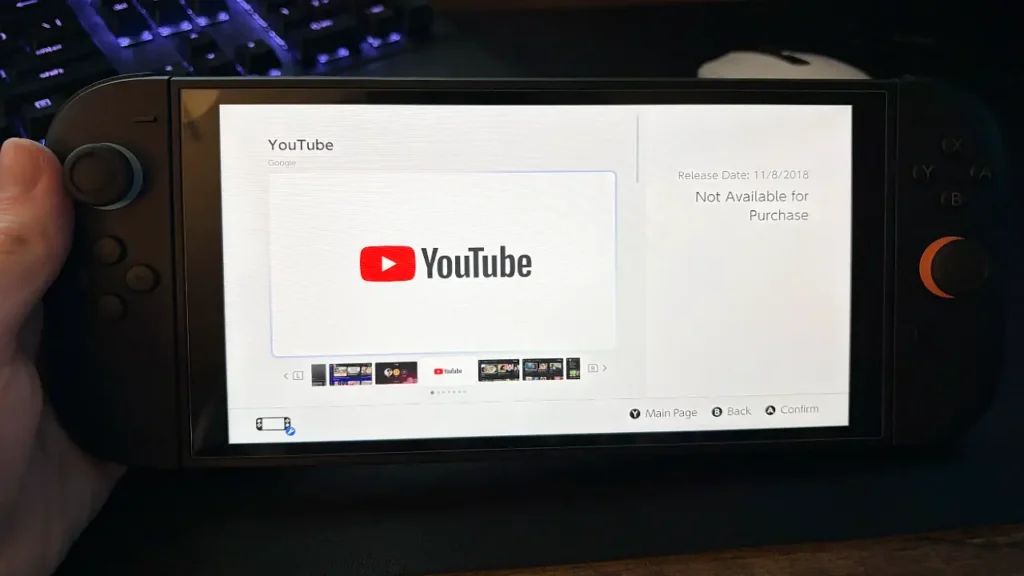
From Viral Hit to Swift Shut Down
The story of the workaround is a classic piece of Nintendo internet folklore. It was discovered by users on Reddit and quickly spread across social media.
The process was simple: open Super Animal Royale, navigate to its in-game news feed, and tap an embedded “Watch on YouTube” prompt. This would trigger the Switch 2’s hidden web browser and load YouTube, albeit with heavy restrictions. The experience was far from perfect—capped at 360p, with no way to log into an account. But it worked, and it was the first time owners could easily watch videos on their new console.
The victory was short-lived. Within hours, users began reporting that the method had stopped working, triggering error code 2800-1230. Nintendo had quietly and effectively shut it down.
The Unseen Danger: Not Just a Policy, But a Security Flaw
The immediate assumption was that Nintendo killed the trick to protect a future official app. But in the days since, a deeper dive into the Switch 2’s system software and web applet framework has surfaced a more critical issue: a potential same-origin policy execution vulnerability.
The Switch 2 uses a custom, lightweight web browser for specific in-game functions, like displaying news feeds and handling login prompts. This browser is designed to operate within a strict sandbox. The workaround, however, forced the applet to navigate from a trusted local URL within the Super Animal Royale app to the vast, untrusted web of youtube.com and beyond.
Here is the critical sequence that raised alarms:
- The Breakout: The workaround didn’t just open a link. It injected remote, untrusted content directly into the applet’s rendering process, breaking the browser out of its local sandbox.
- Dangerous Proximity: For a fleeting moment, the browser, which was never meant to process this content, had it loaded and executing dangerously close to the user’s Nintendo Account token in active memory.
- The Vulnerability: This created a same-origin policy execution vulnerability. A maliciously crafted third-party link could have, in theory, tricked the browser into accessing secure Nintendo Account data it had no business touching.
Nintendo’s patch didn’t just delete a hyperlink. It had to harden the browser’s navigation logic to ensure it could no longer be redirected from a trusted, local context to a remote, untrusted one under these specific and unintended conditions. This was a critical security fix that also had the side effect of killing the fun.
The Real Problem: The App That Never Arrived
The workaround and its shutdown are just a symptom of a larger, more obvious problem. The Nintendo Switch 2 launched in June 2025. Today is May 13, 2026. The console has been on the market for 11 months without a single dedicated video streaming app.
This wasn’t the original plan. A few months after the console’s launch, Google issued a statement promising that a native YouTube app was “coming soon”. Nearly a year later, the app is still MIA.
The gap is becoming impossible to ignore, especially against the competitive landscape. Both Sony and Microsoft shipped their current-gen consoles with YouTube, Netflix, and other streaming apps available from day one. The Switch 2’s total absence of official streaming support is not a quirky Nintendo design choice; it’s a baffling usability gap on a device with a fantastic built-in LCD screen.
A Pattern of Control: Forcing Users Down One Path
This situation perfectly encapsulates the current state of the Switch 2: a platform with immense potential that feels like it’s perpetually stuck in a “coming soon” holding pattern.
The community has been vocal in its frustration. The original workaround post on Reddit was practically a celebration that someone, anyone, had finally added basic video functionality. Months earlier, users had celebrated when a modder got the classic CRT shader from Pixel Remaster working properly because Square Enix hadn’t fixed it themselves.
The message is clear: Nintendo is willing to act with lightning speed to shut down a fun workaround, but its partners and its own internal teams seem unable to deliver the polished, official experience they’ve been promising for nearly a year. And as we await news of the next official Nintendo Direct, the hope is that a proper YouTube app, along with other streaming services, is high on the agenda.
The Bottom Line
This isn’t just a story about a company killing a fun glitch. It’s a story about an ecosystem struggling with its own potential. By fixing this loophole, Nintendo correctly prioritized the security of users’ accounts over the easy PR win of looking the other way. The shutdown wasn’t capricious; for once, it was the professional and necessary thing to do.
But fixing that security hole doesn’t absolve Nintendo or Google of their failure to deliver a basic feature. Users show endless creativity in patching the holes they find in their favorite products, but they shouldn’t have to risk their account security just to watch a trailer. The real fix won’t be a line of code in a patch note. It will be an icon, sitting on the main menu, right next to the games.
Have you found any other creative workarounds we missed? Or are you content waiting for the official app? Let us know in the comments.
About the Author